
Why AWS Outage is a Wake-Up Call for Data Center Infrastructure
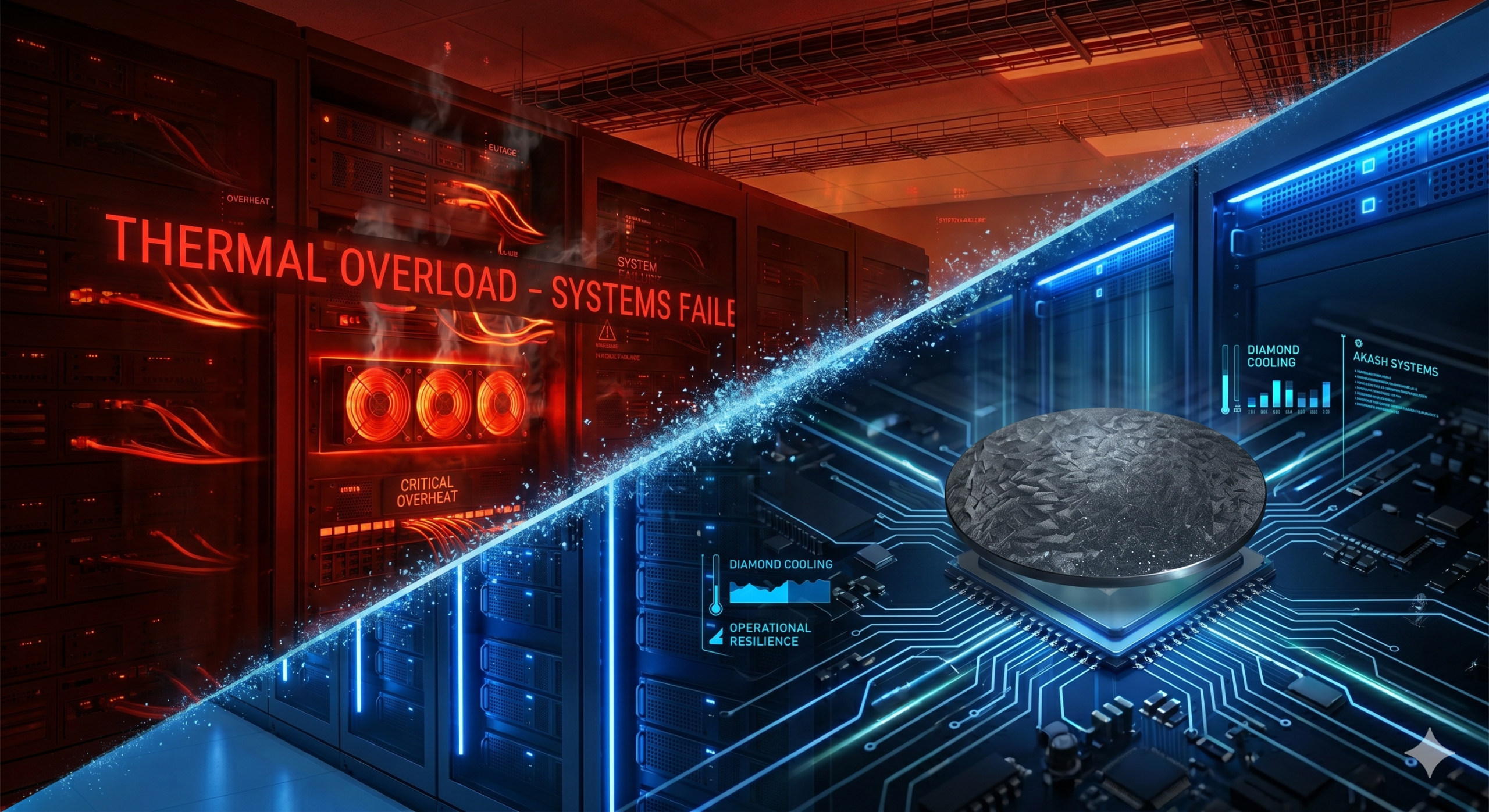

The “US-East-1” region of Amazon Web Services (AWS) has long been the workhorse of the internet, but on May 7-8, 2026, it became a cautionary tale. A significant “thermal event” at a Northern Virginia data center sent shockwaves through the tech world, proving that even the giants of the cloud are not immune to the laws of physics.
What Happened?
The outage was triggered by a cooling failure that led to rapid overheating within the data center. As temperatures spiked, AWS was forced to throttle or shut down hardware to prevent permanent damage. The results were immediate and widespread:
Coinbase: The crypto giant saw its exchange functions disrupted for roughly seven hours, affecting “sends and receives” just as it was launching a new AI-driven payment partnership.
FanDuel: Users of the sports betting platform faced login failures and disrupted betting activities during critical gaming windows.
Widespread Impact: Services including EC2 instances, EBS volumes, and SageMaker were impaired, forcing companies to scramble to migrate workloads to unaffected zones.
The Limits of Copper and Fans
For decades, data centers have relied on copper heat sinks and massive air conditioning systems to keep chips cool. But as AI workloads demand more power, we are hitting a “thermal wall.” Copper can only move heat so fast, and as chips get denser, the energy required just to cool the servers is beginning to rival the energy used to run them.
Enter the Diamond Age: Akash Systems
To prevent future “thermal events” from paralyzing the global economy, the industry is looking toward a material long prized for more than its sparkle: Diamond.
Diamond is the most thermally conductive material on Earth—roughly five times more effective at moving heat than copper. While companies like Akash Systems have traditionally focused on extreme environments like satellite communications for NASA, they are now bringing “technology-grade grown diamond” to the data center floor.
How Diamond Tech Prevents Outages:
Removing Heat at the Source: Akash Systems integrates Tech Grown Diamond directly into the GPU and CPU stack. This lowers chip temperatures by 10–15°C immediately, providing a critical buffer against the kind of rapid “thermal runaway” seen in the AWS outage.
Eliminating Throttling: By keeping chips cooler under heavy AI and trading loads, diamond cooling allows servers to run at peak performance without the need for the “safety throttles” that caused service delays for Coinbase and FanDuel.
Resilience in High Ambient Heat: Diamond-cooled servers can operate safely in ambient temperatures up to 50°C (122°F). In the event of a facility cooling failure (like the one at US-East-1), diamond-integrated hardware would stay operational far longer than traditional silicon-and-copper setups.
A New Standard for “Tech-Grade” Reliability
The AWS outage serves as a reminder that “the cloud” is still made of physical hardware that can melt. As we move further into the AI era, relying on 20-year-old cooling infrastructure is no longer viable for mission-critical fintech and sports-tech platforms.
By adopting technology-grade grown diamond solutions from pioneers like Akash Systems, data center operators can finally break through the thermal wall—ensuring that the next “hot day” in Virginia doesn’t mean a “dark day” for global markets.
For more insights on the intersection of tech diamon material science and the cloud, visit LGDinTECH.org.